Cyclospora is behind one of the more surprising stomach illness stories of the summer. You washed the lettuce. You bought the bag labeled “triple washed.” You did everything right, and still, days later, you’re dealing with stomach cramps and fatigue that won’t quit.
Here’s what many people don’t realize. One of the most common causes of prolonged stomach illness in the U.S. this summer isn’t food poisoning or a stomach bug going around. It’s a microscopic parasite most people have never heard of, and this year has been a particularly active one for it, with a recent outbreak tied to iceberg lettuce leading to a nationwide recall.
First, What Is Cyclospora?
Cyclospora cayetanensis is a single-celled parasite too small to see. It sets up shop in your small intestine and typically causes watery diarrhea with frequent, sometimes explosive bowel movements. The illness it causes is called cyclosporiasis.
You get it by eating raw food or drinking water carrying the parasite, and produce usually picks it up from water supplies contaminated with human feces.
Now, the truths.
Truth #1: Washing Your Produce Won’t Reliably Save You
This is the one that stings. Rinsing fruits and vegetables is still a smart practice, but it does not dependably remove Cyclospora. The parasite clings stubbornly to leafy surfaces, and ordinary produce washes and chlorine-based rinses aren’t designed to kill it.
What actually works:
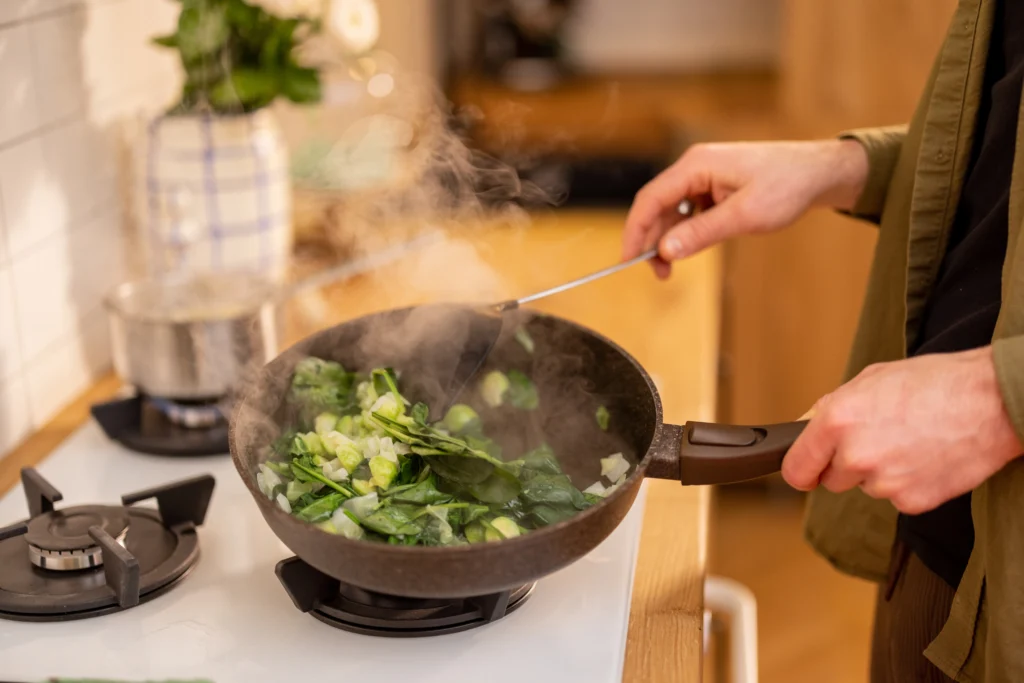
- Cooking: Heat destroys the parasite. Sauteed spinach is safer than raw spinach.
- Paying attention to recalls: During outbreak season, check FDA and CDC notices before buying bagged salads or fresh herbs.
- Knowing the usual suspects: Past outbreaks have been traced to bagged salads, leafy greens, fresh basil, fresh cilantro, raspberries and green onions.
Truth #2: The Timing Throws Everyone Off
Most people blame their most recent meal. With Cyclospora, that’s almost always the wrong meal.
Symptoms take about a week on average to show up, though the window ranges from two days to two weeks or more. By the time you’re sick, that salad is a distant memory, and the container is in the recycling.
This is exactly why outbreaks are so hard to trace, and why people misdiagnose themselves with “something I ate last night.”
Truth #3: A Standard Stool Test Can Completely Miss It
Here’s a truth that matters more than any of the others. Routine stool testing doesn’t automatically look for this parasite. Your provider has to specifically request testing for Cyclospora.
So if you’ve had weeks of diarrhea, a normal test result, and a shrug, you may not have been tested for the right thing. Ask directly. It’s a reasonable, specific request, and it changes your treatment path entirely.
This is also where seeing a specialist pays off. Prolonged diarrhea gets blamed on stress, dairy, or irritable bowel syndrome (IBS) far too often when something identifiable is behind it.
Truth #4: You Can’t Catch It From a Sick Family Member
Good news for once. Cyclospora is not passed hand to hand like norovirus.
The oocysts shed in stool must mature in the environment for at least one to two weeks before they can infect anyone else, which makes direct person-to-person spread unlikely. Infected people don’t need to stay home from work or school.
Truth #5: It Often Won’t Just “Go Away on Its Own”
Plenty of people wait it out. That can be a long wait.
Untreated, the illness can last from a few days to a month or longer, and it often follows a remitting-relapsing pattern where you feel better, then crash again. That false recovery is one of the cruelest features of a Cyclospora infection.
Reported complications have included malabsorption, gallbladder inflammation, and reactive arthritis. In this year’s outbreak, 9% of confirmed cases required hospitalization.
Who Should Be Most Careful
Anyone can get infected, but a few groups should move faster on symptoms:
- People who are immunocompromised, including those on chemotherapy or immune-suppressing medications
- Older adults and young children, who dehydrate quickly
- Travelers to tropical and subtropical regions, where the parasite is endemic
- Anyone already managing inflammatory bowel disease (IBD), where new symptoms can be mistaken for a flare
Smart Habits During Cyclospora Season
The CDC considers May 1 through August 31 the annual cyclosporiasis season.
During those months:
- Cook leafy greens and fresh herbs when you can
- Buy produce from sources you can trace
- Keep an eye on recall announcements before restocking salad staples
- Don’t dismiss diarrhea that lasts more than three days
- Track your symptoms with dates, which helps your provider spot the pattern
Cyclospora Won’t Wait. Neither Should You!
Weeks of unexplained diarrhea, cramping, and exhaustion deserve a real diagnosis, not a guessing game.
At GI Partners of Illinois, our board-certified gastroenterologists dig into the cause, order the right tests, and get you on the correct treatment quickly.
Schedule your consultation with GI Partners of Illinois today. Your gut has been trying to tell you something. Let’s find out what.
Frequently Asked Questions
What are the symptoms of Cyclospora?
Cyclospora causes watery, often explosive diarrhea along with bloating, gas, cramping, nausea, appetite loss, weight loss, and fatigue.
Can you get rid of Cyclospora without antibiotics?
Healthy adults sometimes clear Cyclospora on their own, but it can drag on for a month or longer in a frustrating relapse pattern. Antibiotic treatment is the reliable way to shorten the illness and prevent complications.
What does Cyclospora poop look like?
Stool from a Cyclospora infection is typically watery, loose, and frequent, sometimes coming on explosively. It usually has no blood or mucus, which is one reason Cyclospora often gets mistaken for a routine stomach bug.
What kills Cyclospora?
Thorough cooking kills Cyclospora on food, while washing and chlorine rinses do not reliably remove it.