You take a few bites of lunch, and within minutes, your stomach is sending you an urgent message.
“Get to a bathroom, now!”
If this sounds familiar, you’re not imagining things, and you’re definitely not alone. Diarrhea that hits almost as soon as you finish eating has a name and a real explanation behind it, and understanding what’s happening in your gut can help you stop dreading mealtimes.
This reaction, sometimes called postprandial diarrhea, can turn a simple lunch meeting or a long flight into a stressful guessing game. The good news is that most causes are identifiable, and many are manageable once you know what to look for.
What’s Actually Happening in Your Gut
When you eat, your body triggers something called the gastrocolic reflex. This is a normal signal that tells your colon to start moving things along to make room for new food coming in.
For most people, this reflex is mild and barely noticeable. But for others, it’s exaggerated, causing intense cramping and diarrhea within minutes of eating. This heightened reflex is especially common in people with irritable bowel syndrome (IBS), where the nerves in the gut are more sensitive than average.
Common Causes of Diarrhea Right After Eating
There isn’t one single reason people experience diarrhea after meals. Instead, it’s usually one of several overlapping issues:
- Food Intolerances: Lactose, gluten, or fructose intolerance can trigger rapid diarrhea because your body struggles to break down or absorb certain sugars and proteins.
- IBS: A hypersensitive gut and abnormal motility patterns make diarrhea a frequent, unpredictable visitor after meals.
- Inflammatory bowel disease (IBD): Conditions like Crohn’s disease or ulcerative colitis, both part of the broader IBD spectrum, cause inflammation that speeds up digestion and worsens diarrhea.
- Bile acid malabsorption: When your body doesn’t reabsorb bile acids properly, they irritate the colon and pull in extra water, leading to watery stools soon after eating.
- Gallbladder issues: If your gallbladder has been removed or isn’t functioning well, bile flow becomes harder to regulate, which can result in diarrhea after fatty meals.
- Infections: Bacterial or parasitic infections can cause sudden diarrhea, especially if it comes with fever, nausea, or vomiting.
- Anxiety and stress: The gut-brain connection is powerful, and stress hormones can speed up bowel movements dramatically.
Certain Foods Are More Likely to Trigger It
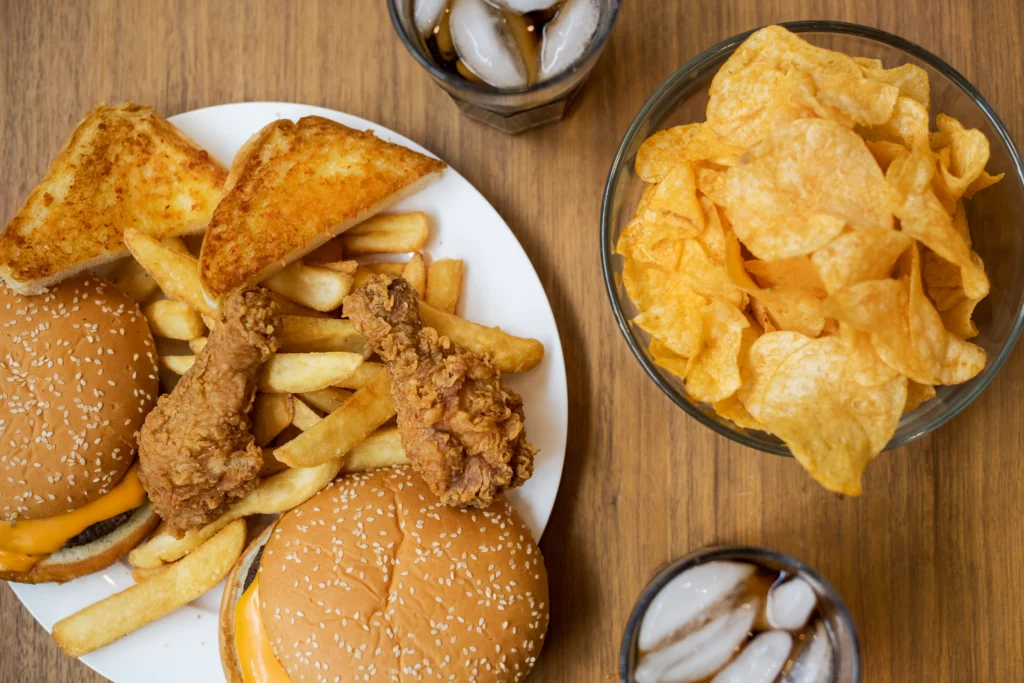
Some meals are simply harder on your digestive system than others. Diarrhea after eating is often linked to:
- Greasy or fried foods, which stimulate stronger bile release
- Spicy dishes that irritate the intestinal lining
- Dairy products, particularly for those with lactose sensitivity
- Artificial sweeteners like sorbitol and xylitol, which pull water into the intestines
- Caffeine and alcohol, both of which speed up gut motility
- Very large meals, which overload digestion and trigger a stronger gastrocolic reflex
When Diarrhea After Eating Signals Something More Serious
Occasional diarrhea after a heavy or spicy meal usually isn’t cause for alarm. But when diarrhea after eating becomes a regular pattern, it’s worth paying closer attention.
You should consider seeing a specialist if you notice:
- Diarrhea after eating that happens several times a week
- Unexplained weight loss
- Blood in your stool
- Persistent abdominal pain or cramping
- Waking up at night specifically to have a bowel movement
- Fatigue that doesn’t improve with rest
These symptoms can point toward conditions like IBD, celiac disease, or even early signs of colon cancer, all of which benefit enormously from early diagnosis.
How Diarrhea After Eating Is Diagnosed
Because so many conditions can cause diarrhea shortly after meals, getting an accurate diagnosis usually involves a bit of detective work. A gastroenterologist may recommend:
- A detailed review of your diet, symptoms, and medical history
- Blood tests to check for celiac disease or signs of inflammation
- Stool tests to rule out infection or malabsorption
- Breath tests for lactose or fructose intolerance
- Colonoscopy or endoscopy to look directly at the digestive tract when needed
Rather than guessing which food is the culprit, a proper workup can save you months of frustrating trial and error.
Practical Ways to Manage Diarrhea After Meals
While a diagnosis matters for long-term relief, there are everyday strategies that can reduce how often diarrhea after eating disrupts your day:
- Eat smaller, more frequent meals instead of large ones
- Limit greasy, fried, and heavily processed foods
- Cut back on caffeine and alcohol, especially before busy days
- Try a temporary low-FODMAP approach if IBS is suspected
- Stay hydrated with water and electrolytes, particularly after an episode
- Practice stress-reduction techniques like deep breathing before meals
Don’t Let Digestive Issues Control Your Day
You don’t have to keep planning your day around bathroom access. If diarrhea after eating has become a regular disruption, our team at GI Partners of Illinois can help you find real answers and a treatment plan that fits your life.
Schedule a Consultation Now and start feeling like yourself at mealtimes again.
Frequently Asked Questions
Why do I get diarrhea 30 minutes after eating?
This rapid reaction usually points to an exaggerated gastrocolic reflex, food intolerance, or an underlying condition like IBS. The short timeframe suggests your gut is reacting quickly to specific foods or triggers rather than a slower digestive process.
Can anxiety cause diarrhea right after eating?
Yes, anxiety and stress can speed up bowel movements through the gut-brain connection, sometimes triggering diarrhea within minutes of eating, even when the food itself isn’t the problem.
What foods commonly cause diarrhea after eating?
Greasy foods, spicy dishes, dairy, artificial sweeteners, caffeine, and alcohol are among the most common triggers, though the specific culprit varies from person to person.
Is peanut butter good for diarrhea?
No, peanut butter is generally not recommended during active diarrhea because its high fat content can be harder to digest.