Somewhere along the way, we collectively decided colon cancer was an older person’s disease. We were wrong.
The reality is showing up in our clinic more than we’d like: patients in their 30s and 40s, active people with decent diets and zero family history, sitting across from us with symptoms they’d been dismissing for months. Bloating, they blamed on stress. Fatigue, they blamed on work. Blood, they noticed, but really didn’t want to think about.
Colon cancer doesn’t negotiate with your age. It doesn’t care that you hit the gym four times a week or that you’re nowhere near retirement. And the sooner we stop treating it as something that only happens to grandparents, the sooner we can start protecting people who don’t even know they’re at risk.
The Numbers Are Hard to Ignore
Here’s what’s been keeping gastroenterologists up at night: rates of colon cancer in adults under 50 have been rising steadily since the mid-1990s. According to the American Cancer Society, people born around 1990 have roughly double the risk of colon cancer compared to people born in 1950.
Double. Let that sink in.
We’re not talking about a slight uptick. We’re talking about a full-on generational shift in who’s getting this disease. And the frustrating part? We don’t have one clear, simple explanation for it. It’s likely a complex combination of lifestyle factors, diet changes, gut microbiome disruption, and genetic factors that we still don’t fully understand.
Why Young Adults Are Being Hit Harder
So what’s actually going on? Here are some of the biggest contributing factors we’re watching closely:
The Western Diet Problem
Ultra-processed foods, red meat, added sugars, and low fiber describe the average American’s daily diet more than most of us want to admit. The gut is not a fan. Chronic inflammation in the colon is one of the key mechanisms behind colorectal cancer development, and the Standard American Diet is basically inflammation fuel.
We know, we know. You’ve heard “eat more vegetables” a thousand times. But when it comes to colon cancer risk, this one genuinely matters.
Sedentary Lifestyles
Remote work has been amazing for flexibility. It has been terrible for our colons. Sitting for long stretches, reduced physical activity, and disrupted sleep patterns all contribute to slower gut motility and increased cancer risk. The body needs movement to function well, and the colon is no exception.
Obesity and Metabolic Health
Obesity rates have climbed significantly among younger generations, and obesity is a well-established risk factor for colon cancer. It’s not about appearance; it’s about how excess weight affects inflammation, hormone levels, and insulin resistance, all of which can create an environment where abnormal cells thrive.
Antibiotic Overuse and Gut Microbiome Disruption
This one’s newer territory, but the research is getting harder to ignore. Millennials and Gen Z grew up in an era of frequent antibiotic prescriptions, ear infections, strep throat, you name it. Antibiotics are lifesavers, but they also wipe out beneficial gut bacteria. An imbalanced microbiome may play a role in colorectal cancer development. The science is still evolving, but our gut health is clearly more important than we ever realized.
The Symptom People Keep Ignoring
Here’s a real conversation we have regularly. A patient in their mid-30s comes in, and after some back-and-forth, mentions they’ve been seeing blood in their stool occasionally. When did it start? “Oh, maybe eight months ago.”
Eight months.
They assumed it was hemorrhoids. Maybe it is that hemorrhoids are common and very often the cause. But blood in the stool always deserves a proper evaluation. Always. No exceptions, no “I’ll wait and see.”
Other symptoms that should prompt a conversation with us:
- Bathroom habits that have quietly changed and stayed that way
- Persistent abdominal discomfort, cramps, gas, pain
- Feeling like your bowel doesn’t fully empty
- Unexplained weight loss
- Fatigue that doesn’t improve with rest
- Narrow or pencil-thin stools
None of these symptoms automatically means colon cancer. But they mean something. And they deserve attention.
Screening Has Changed, And That’s a Big Deal
Here’s some genuinely good news. In 2021, major medical guidelines lowered the recommended age for average-risk colorectal cancer screening from 50 to 45. It wasn’t an arbitrary update; it was a direct response to what doctors were increasingly seeing in patients who had no business being at that stage of life.
If you’re 45 or older and haven’t scheduled a colonoscopy, that’s your sign. Schedule it. Yes, the prep is annoying. Yes, you have to take a day off. It is 100% worth it.
For those under 45, screening recommendations depend on your personal risk factors. A family history of colon cancer or polyps, a personal history of inflammatory bowel disease, or certain genetic conditions can all move your screening timeline earlier. This is exactly the kind of conversation we love having with our patients, figuring out the right plan for your specific situation.
Family History Is Not Just a Checkbox
Speaking of family history, please don’t gloss over this when you’re filling out medical paperwork. We mean it. If a first-degree relative (parent, sibling, child) was diagnosed with colon cancer or significant polyps, your risk is meaningfully higher. Screening guidelines for you look different from those for the general population.
And if you have a parent or sibling who had colon cancer before age 60? You may need to start screening at 40 or even earlier. Talk to us. Don’t assume your doctor will bring it up unprompted.
A Note on Awareness Without Panic
We want to be clear about something. The goal of this conversation isn’t to send you spiraling into health anxiety every time you have a stomachache. That helps no one.
The goal is awareness, understanding that colon cancer isn’t just an older person’s disease, recognizing your symptoms, being honest about your family history, and knowing when to speak up and ask for an evaluation.
Because here’s the thing about colon cancer that makes it both scary and genuinely hopeful: when it’s caught early, survival rates are excellent. We’re talking about a five-year survival rate of over 90% for localized colon cancer. The disease doesn’t have to be a death sentence, but catching it late dramatically changes those odds.
Early detection saves lives. That’s not a platitude. It’s just true.
What You Can Do Starting Today
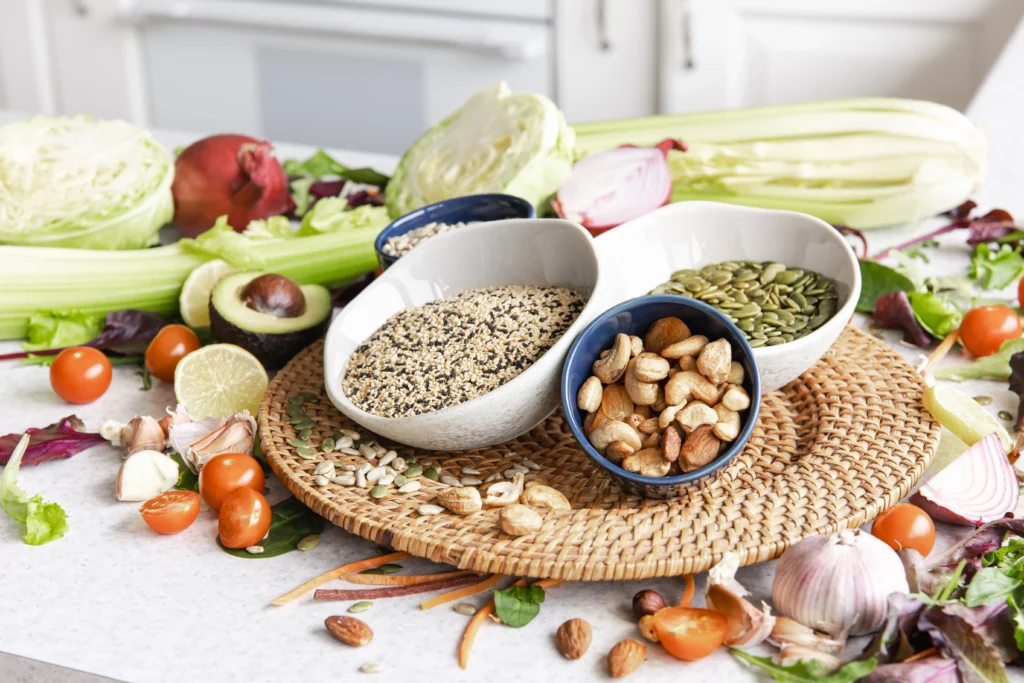
We’re not going to give you a 47-point wellness overhaul. Just a few real, doable things:
Eat more fiber. Fruits, vegetables, legumes, and whole grains. Aim for 25 to 35 grams a day. Most Americans get about half that.
Move your body. Thirty minutes most days. Walk, bike, swim, whatever you’ll actually do consistently.
Know your family history. Ask your relatives. Have the slightly uncomfortable Thanksgiving conversation if you need to.
Don’t ignore symptoms. If something feels off with your gut, say something. That’s what we’re here for.
Schedule your screening. If you’re 45 or older, or have risk factors, don’t put it off. Seriously.
We’re Here for This Conversation
At GI Partners of Illinois, this is exactly the kind of care we provide, not just treating problems after they become serious, but helping our patients understand their risk, stay ahead of it, and feel genuinely supported along the way.
Colon cancer is rising in young adults. That’s real. But knowledge is protection, and you don’t have to navigate this alone.
Take Care of Your Gut. It’s Been Taking Care of You.
Your gut has been working hard every single day without you even thinking about it. The least we can do is show it a little love back. Whether you’re due for a screening, noticing symptoms you’ve been putting off, or simply want to understand your risk better, we’re here for that conversation.
Schedule your appointment with GI Partners of Illinois today. Because good gut health isn’t luck; it’s a choice.