Here’s something nobody tells you: colon cancer doesn’t announce itself. No warning label, no obvious symptoms until it’s often already serious. Most people find out too late, simply because they never thought to look. That’s the part that gets us because it’s so preventable. And it’s exactly why we show up every day at GI Partners of Illinois, ready to have the conversation most people keep putting off.
Colon cancer is the third most common cancer diagnosed in the United States. It kills roughly 50,000 people a year. And here’s the thing that keeps us up at night: a huge percentage of those deaths are preventable. Not just through colonoscopies, though, yes, absolutely, please get your colonoscopy, but through everyday choices that most people don’t even realize have a direct impact on their colon cancer risk.
We’re talking about a potential 40% reduction in risk. Forty percent. That’s not a small number. That’s not “eat more kale, and maybe you’ll feel slightly better.” That’s a legitimate, research-backed shift in your odds. So let’s talk about it.
Why Screening Alone Isn’t the Full Story
We love colonoscopies. We really do. They’re one of the most powerful tools we have for catching colon cancer early, or even preventing it by removing precancerous polyps before they become a problem. If you haven’t had one and you’re 45 or older, stop reading this right now and go schedule one. We mean it.
But here’s what colonoscopies can’t do: they can’t undo years of inflammation in your gut. They can’t reverse the metabolic changes that come from a sedentary lifestyle. They can’t counteract decades of processed red meat and zero fiber. Screening catches what’s already there. Lifestyle changes prevent things from forming in the first place.
That’s the gap we want to help you close.
1. Fiber: The Boring Hero Nobody Talks About Enough
If fiber were a movie character, it’d be the quiet background guy who actually saves the day. Nobody’s making a poster about fiber. But honestly? They should be.
Studies consistently show that people who eat high-fiber diets have significantly lower rates of colon cancer. Why? Because fiber keeps things moving. It reduces the time that potential carcinogens spend in contact with your colon lining. It feeds the good bacteria in your gut, which produce compounds called short-chain fatty acids that actually help protect colon cells.
The average American eats about 15 grams of fiber a day. The recommended amount is 25–38 grams. That’s a big gap. And closing it might be one of the most impactful things you can do.
Good sources: beans, lentils, oats, whole grains, fruits with skin, vegetables, nuts, seeds. Simple. Unglamorous. Genuinely protective.
2. Ease Up on Red and Processed Meats
Okay, we know this one’s hard. Especially if you’re from the Midwest and grilling season feels practically sacred. We’re not here to ruin your summer. But we’d be doing you a disservice if we didn’t tell you that processed meats, hot dogs, bacon, deli meats, and sausage are classified as Group 1 carcinogens by the World Health Organization. That puts them in the same category as tobacco and asbestos, in terms of the evidence for cancer causation (though obviously quantity matters enormously).
Red meat (beef, pork, lamb) sits in the “probably carcinogenic” category. The relationship isn’t entirely clear-cut it likely has to do with how these meats are cooked at high heat, the compounds they produce during digestion, and their effect on gut bacteria.
The research suggests that cutting back, not necessarily eliminating, but cutting back on these foods can make a meaningful difference in your colon cancer risk. Swap in chicken or fish a few times a week. Try a plant-based meal once or twice. Your colon will genuinely appreciate it, even if your taste buds take a minute to catch up.
Small swaps add up: Replace one red meat meal per week with fish or legumes. Over months and years, these choices change your biology.
3. Move Your Body, Your Colon Needs It Too
Physical activity is one of the most underrated tools in colon cancer prevention. Regular exercise reduces inflammation, helps regulate insulin levels, speeds up transit time in the colon (meaning waste doesn’t sit around as long), and keeps your weight in check, all of which are factors linked to colon cancer risk.
The research is pretty detailed: physically active people have about a 24–40% lower risk of colon cancer compared to sedentary people. And you don’t need to run marathons. We’re talking about 150 minutes of moderate activity per week, a brisk 30-minute walk five days a week. That’s it. That’s the bar.
We know life gets busy. We know you’re tired after work. But think of it this way: a 30-minute walk is genuinely a medical intervention for your gut. Frame it that way, and it suddenly feels more worth prioritizing.
4. Alcohol: A Conversation Worth Having
This one’s tricky, because alcohol is deeply embedded in social culture. But the evidence linking alcohol consumption to colon cancer risk is pretty solid. Alcohol gets metabolized into acetaldehyde, which can damage DNA in colon cells. It also affects folate absorption and promotes inflammation.
Heavy drinking is the bigger concern here, as more than two drinks a day significantly increases risk. But even moderate drinking has some association. We’re not in the business of telling you never to have a glass of wine. But if you’re drinking more than you should, reducing your intake is genuinely one of the levers you can pull to lower your colon cancer risk.
5. Weight and Metabolic Health
Obesity, particularly excess weight around the abdomen, is a recognized risk factor for colon cancer. It promotes chronic inflammation, raises insulin and insulin-like growth factor levels, and creates a hormonal environment that can encourage abnormal cell growth in the colon.
This isn’t about aesthetics. This is about biology. And the good news is that even modest weight loss, 5–10% of body weight, can have meaningful effects on the inflammatory markers associated with cancer risk. If you’re struggling with your weight and you’re not sure where to start, talk to us. That’s what we’re here for.
6. Don’t Ignore Vitamin D and Calcium
The research on these two is less ironclad than the lifestyle factors above, but there’s enough signal to mention it. Low vitamin D levels have been associated with increased colon cancer risk in multiple studies. Calcium appears to bind to bile acids and fatty acids in the colon, reducing their potentially harmful effects on the colon lining.
A lot of people, especially in the Midwest, where sunlight is not exactly abundant nine months of the year, are walking around with vitamin D deficiency without knowing it. If you haven’t had your levels checked, ask your doctor.
7. Don’t Smoke. Just… Don’t.
We know you know this. But smoking increases colon cancer risk by about 20%, and it takes years of cessation before that risk starts to come down. If you’re still smoking and this is the nudge you needed, consider this your nudge. There’s no version of a colon cancer prevention plan that includes cigarettes.
You have more control over your colon cancer risk than you probably think. Fiber, movement, limiting processed meats and alcohol, maintaining a healthy weight, these aren’t just vague “be healthier” platitudes. They’re specific, evidence-based interventions.
Putting It All Together
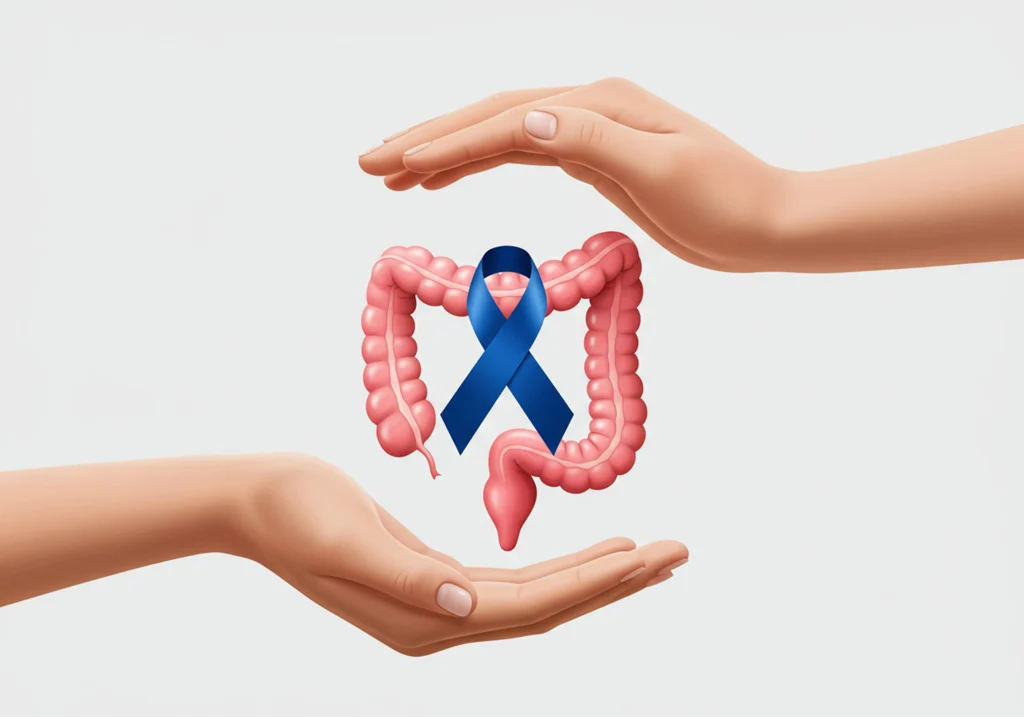
We see a lot of patients at GI Partners of Illinois who come in nervous, having Googled themselves into a state of low-grade panic. And one of the things we genuinely love about our work is being able to tell people: you have more power here than you think.
Colon cancer doesn’t usually happen overnight. It develops over the years, through a combination of genetic factors (which you can’t control) and environmental and lifestyle factors (which you largely can). That’s actually good news. It means there’s a window, often a pretty wide window, where the choices you make today are actively shaping your risk tomorrow.
Get your colonoscopy. Eat more fiber. Move your body. Cut back on processed meats. Watch the alcohol. Don’t smoke. These aren’t revolutionary ideas. But they’re the ones backed by the most evidence, and they’re the ones we’d tell our own families.
This Colon Cancer Awareness Month, just pick one thing and do it. The colonoscopy. The extra fiber. The evening walk. One step is all it takes to get started, and getting started is everything.
Your Gut Health Starts Here. Don’t Wait for Symptoms
March is Colon Cancer Awareness Month, and there’s no better time to take action. If you’re 45 or older, have a family history of colon cancer, or it’s just been a while, this is your sign. Colonoscopies save lives. Lifestyle changes protect thThis Colon Cancer Awareness Month, just pick one thing and do it. The colonoscopy. The extra fiber. The evening walk. One step is all it takes to get started, and getting started is everything. them every day in between.
Schedule your consultation or colonoscopy at GI Partners of Illinois today. Because catching it early or preventing it entirely is always better than the alternative.
Your colon doesn’t get a second chance. But right now, you do.