You’ve put the date on your calendar. You’ve heard the stories about the jug of colonoscopy prep solution. And now you’re wondering if the whole thing is worth the hassle.
Here’s something most people don’t realize: the procedure is the easy part. The preparation is where the effort goes, and it’s the one thing you control that decides how good your exam will be. Colonoscopy prep sounds worse than it is, and with a plan, it’s very manageable.
Here’s a step-by-step walkthrough of what to expect, what to eat and drink, and how to make the day easier.
Why a Clean Colon Matters So Much
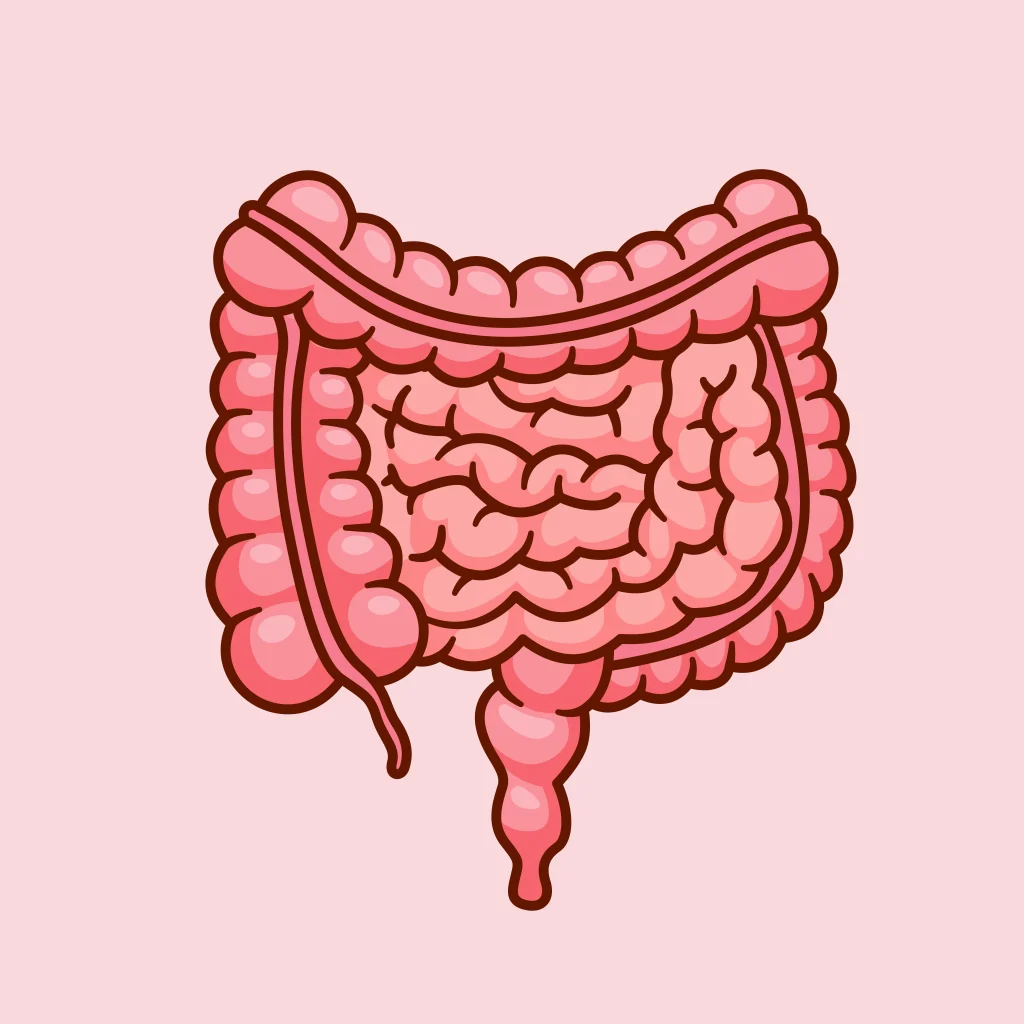
During a colonoscopy, gastroenterologists are looking for polyps. Some are smaller than a grain of rice, and many are flat and pale against the colon wall.
If stool is left behind, those polyps can hide. A poor cleanout can mean a missed polyp, a shorter wait before your next exam, or repeating the whole procedure. A good one gives a clear view, allows polyps to be removed on the spot, and often earns you a longer interval before your next screening.
That’s the real payoff. Finding and removing polyps early is one of the best ways to prevent colon cancer.
Your Colonoscopy Prep Timeline
Your care team will give you written instructions for your specific prep. Always follow those first. This is the general shape most people can expect.
7 days before
- Read your instructions start to finish and mark the times on your calendar.
- Pick up your prep solution from the pharmacy a few days ahead, so you have it on hand and one less thing to think about.
- Make sure to arrange a ride home or someone to come pick you up. Sedation means you can’t drive, take a rideshare alone, or walk home by yourself.
- Tell your care team about your medications, especially blood thinners, diabetes medicines, iron pills, and weight-loss shots.
3 days before
- Switch to a low-fiber diet: white bread, white rice, eggs, chicken, fish, and well-cooked peeled vegetables.
- Skip nuts, seeds, popcorn, corn, raw veggies, whole grains, and fruit with skins. Seeds in particular can clog the scope.
The day before
- Stick to clear liquids all day, with no solid food.
- Drink plenty of water. Staying hydrated helps the prep work and keeps you from feeling wiped out.
- Take the first half of your prep solution in the evening, at the time listed on your instructions.
- Stay close to a bathroom. Things usually get moving within an hour or so.
The day of your procedure
- Take the second half in the early morning, usually 4 to 6 hours before your procedure.
- Stop all liquids when your instructions say to, often 2 hours before your arrival time. This matters for your safety under sedation.
- Wear comfortable clothes and bring your ID, insurance card, and medication list.
This two-part approach is called a split-dose prep. Most GI societies recommend it because it cleans the colon better than drinking everything the night before.
What Counts as a Clear Liquid?
A simple test: if you can see through it, it’s usually fine. The big exception is color. Anything red, blue, or purple can look like blood or hide the lining, so skip those.
Okay to drink:
- Water and sparkling water
- Clear chicken, beef, or vegetable broth
- Apple juice or white grape juice
- Plain black coffee or tea
- Lemon-lime soda or ginger ale
- Gelatin and ice pops
- Gatorade
Avoid:
- Milk, cream, and non-dairy creamer
- Smoothies and protein shakes
- Orange juice or any juice with pulp
- Red, blue, or purple drinks, gelatin, and ice pops
- Alcohol
- Soups with noodles, rice, or vegetables
One tip that makes the day easier: broth feels more like a meal than you’d expect. Warm a mug of it at dinnertime when hunger hits.
7 Ways to Make Colonoscopy Prep Easier to Drink
The taste is the part people complain about most. These small tricks make a real difference.
- Chill it. A cold solution is much easier to get down than room temperature.
- Use a straw. Place it toward the back of your tongue so the liquid skips most of your taste buds.
- Keep a chaser nearby. Sip ginger ale or apple juice right after each glass.
- Go at a steady pace. One glass every 10 to 15 minutes works better than forcing it all down at once.
- Protect your skin. Use soft toilet paper or flushable wipes, and dab on petroleum jelly or diaper cream before things get going.
- Settle in. Line up a show or a podcast. You’ll be home all evening anyway.
Feeling nauseous? Take a 30-minute break, then start again a little slower. Don’t just give up on it.
How Do You Know Your Prep Is Working?
Look at what’s coming out. By the end, it should be clear or light yellow, a lot like urine. A few small flecks are okay.
If it’s still brown, cloudy, or has solid pieces by the morning of your procedure, call before you come in. Your care team may be able to adjust the plan instead of risking an incomplete exam.
Medications and Conditions to Tell Your Care Team About
Some medicines and health conditions change how you should approach colonoscopy prep. Never stop or change a medication on your own. Call your GI team, or the doctor who prescribed it, first.
- Blood thinners such as warfarin, apixaban (Eliquis), rivaroxaban (Xarelto), or clopidogrel (Plavix). Some may need to be paused, and only your doctors can decide that safely.
- Diabetes. A liquid diet can drop your blood sugar. Insulin or pills may need adjusting, and you should check your sugar more often.
- GLP-1 medicines like semaglutide (Ozempic, Wegovy) or tirzepatide (Mounjaro, Zepbound). These slow digestion and can leave food in the stomach, so your prep or diet timing may change.
- Iron pills. They can darken stool and make the colon harder to clean. Many people stop them about a week before.
- Kidney or heart conditions. Some prep solutions aren’t a good fit, and your care team will choose one that is.
- Chronic constipation. You may need a longer clear-liquid period or an extra dose. Mention it early.
Ready to Schedule Your Colonoscopy?
A day of colonoscopy prep buys you years of peace of mind. If you’re 45 or older, or you’ve noticed changes like blood in your stool or ongoing bowel changes, it’s time to talk with a gastroenterologist.
GI Partners of Illinois has offices across the Chicago area and northern Illinois, from Libertyville and Gurnee to Oak Brook, Oak Lawn, and New Lenox.
Book an appointment and find your nearest office.
Colonoscopy Prep FAQs
How soon after a colonoscopy can I eat?
Most people can eat once they’re awake and alert, often within an hour of the procedure, unless your doctor gives different instructions. Start with small portions and see how your stomach feels.
What’s the best first meal after a colonoscopy?
Choose something light and easy to digest, like scrambled eggs, toast, soup, or a banana. Skip greasy, spicy, or heavy foods and alcohol for the rest of the day.
What is the easiest colonoscopy prep for the elderly?
Low-volume or split-dose preps are often easier for older adults because there’s less to drink at once, but the right choice depends on kidney, heart, and medication history. Your care team will pick the safest option, so don’t switch products on your own.
What to do if you can’t tolerate colonoscopy prep?
Pause for about 30 minutes, then restart slowly with small, chilled sips.
Medical disclaimer: This article is for general educational purposes only and is not a substitute for professional medical advice, diagnosis, or treatment. Prep instructions vary by patient, product, and health history. Always follow the written instructions from your own doctor. If you have severe belly pain, vomiting, dizziness, or signs of dehydration during prep, contact your doctor right away. For a medical emergency, call 911.