Your liver has been working nonstop since the moment you were born, and it has never once asked for a thank you. Most people never think about it until something goes wrong, and one of the most common ways things go wrong is hepatitis. Every July 28th, World Hepatitis Day exists to change that silence, and this year it’s worth pausing to actually listen.
What Hepatitis Really Is (And Why It’s Not Just One Thing)
It simply means inflammation of the liver. That inflammation can come from viruses, heavy alcohol use, certain medications, or even your own immune system attacking liver tissue by mistake.
There are five main viral types of hepatitis: A, B, C, D, and E. Each spreads differently and behaves differently in the body:
- Hepatitis A and E usually spread through contaminated food or water
- Hepatitis B and C spread through blood or body fluids, often silently, for years
- Hepatitis D only occurs alongside hepatitis B and tends to make it worse
The tricky part is that it often causes no symptoms at all in its early stages. Someone can carry hepatitis B or C for a decade without knowing, while the virus slowly damages liver tissue in the background.
Why World Hepatitis Day Exists
World Hepatitis Day was created in 2008 and later adopted by the World Health Organization as an official global health day. The date, July 28th, honors Dr. Baruch Blumberg, the scientist who discovered the hepatitis B virus and developed its first vaccine.
The day matters because it is still one of the most under-recognized causes of serious illness worldwide. Chronic hepatitis B and C together affect hundreds of millions of people globally, and a large share of them don’t know they’re infected. That gap between infection and awareness is exactly what World Hepatitis Day is trying to close, and this year’s campaign focuses on breaking down the financial, social, and systemic barriers that keep people from getting tested and treated.
The Liver: An Organ That Never Asks for Credit
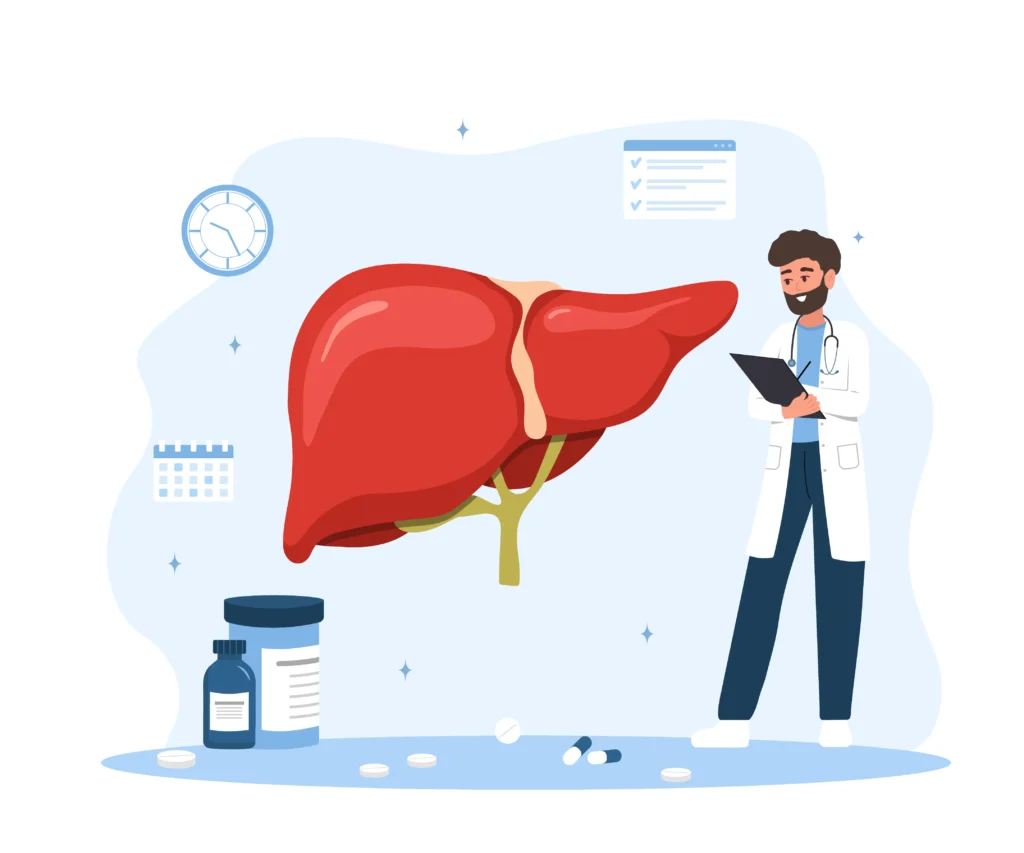
Think about everything your liver does before you even finish your morning coffee. It processes the caffeine, filters out anything harmful in the food you ate the night before, regulates blood sugar, and produces proteins your blood needs to clot properly.
It’s the only organ in your body that can regenerate itself, rebuilding damaged tissue after injury or even after partial surgical removal. That’s remarkable resilience, but resilience isn’t the same as invincibility. Chronic hepatitis, unmanaged fatty liver disease, or long-term alcohol use can eventually overwhelm even a liver’s ability to repair itself, leading to scarring, cirrhosis, or liver cancer.
That’s the real lesson behind World Hepatitis Day: an organ this hardworking deserves attention before it’s forced into crisis mode.
Who’s at Risk, and Why “Healthy Lifestyle” Isn’t Full Protection
A lot of health-conscious people assume hepatitis is something that happens to other people. It isn’t. It doesn’t take lifestyle habits into account before it strikes.
You may be at higher risk if you:
- Were born between 1945 and 1965 (a group with historically higher hepatitis C rates)
- Have had blood transfusions or organ transplants before widespread screening began
- Share needles or personal items like razors
- Travel to regions with limited sanitation
- Work in healthcare and have exposure to blood or bodily fluids.
Simple Ways to Protect Your Liver Starting Today
You don’t need a complicated wellness routine to take care of your liver. A few consistent habits go a long way in preventing hepatitis and supporting long-term liver health:
- Get vaccinated against it if you haven’t already
- Avoid sharing needles, razors, or toothbrushes
- Limit alcohol intake and give your liver recovery time between drinks
- Wash your hands and be cautious with food and water while traveling
- Ask your doctor about hepatitis screening, especially if you fall into a higher-risk group
None of these steps are dramatic. That’s the point. Small, boring, consistent habits are what actually protect an organ that does dramatic, life-sustaining work every single day.
When to See a Gastroenterologist
Unexplained fatigue, yellowing of the skin or eyes, dark urine, and abdominal pain are all signs worth bringing to a specialist, especially if you’ve never been screened for it and fall into a higher-risk group. Catching it early, before it progresses to conditions like inflammatory bowel disease complications or more serious liver and digestive concerns, makes an enormous difference in long-term outcomes.
At GI Partners of Illinois, we see firsthand how early testing changes the trajectory of liver and digestive health. It is manageable and, in the case of hepatitis C, curable with the right treatment plan. But that starts with knowing your status.
Give Your Liver the Thanks It Deserves
Your liver has been working for you every single day without asking for anything in return. This World Hepatitis Day, give it something back: get screened, get informed, and get ahead of a disease that thrives on silence.
Contact us today to schedule a consultation and take the first step toward protecting the organ that’s been protecting you all along.
Frequently Asked Questions
Which hepatitis is not curable?
Hepatitis B is not curable; once chronic, antiviral medicines can control the virus but rarely eliminate it. Hepatitis D, which only occurs alongside hepatitis B, is likewise not curable, while hepatitis C is now curable in most cases.
What are the early symptoms of hepatitis?
Early hepatitis symptoms include fatigue, mild fever, nausea, loss of appetite, and pain in the upper right abdomen. Dark urine, pale stools, and yellowing of the eyes or skin (jaundice) usually appear a little later.
What is the difference between Hep A & B?
Hepatitis A spreads through contaminated food or water and almost always clears on its own within weeks. Hepatitis B spreads through blood, sexual contact, or mother-to-child transmission, and can become a lifelong chronic infection that damages the liver.
How do you catch hepatitis?
Hepatitis A and E are caught by consuming food or water contaminated with infected stool. Hepatitis B, C, and D are caught through infected blood, shared needles, unprotected sex, or transmission from mother to baby during birth.