We’ve all had an upset stomach before. Maybe you ate something questionable at that potluck, or stress from work is doing a number on your gut. But here’s the thing, sometimes what feels like “just indigestion” is actually PUD (Peptic Ulcer Disease) trying to get your attention. Your body’s waving a giant red flag, and ignoring it could turn a treatable condition into something much more serious.
At GI Partners of Illinois, we see patients every week who wish they’d come in sooner. They thought they could tough it out, pop some antacids, and call it a day. But when it comes to PUD (Peptic Ulcer Disease), ignoring the warning signs can turn a treatable condition into a real medical emergency.
So let’s talk about the seven symptoms that should prompt you to seek professional care. If you’re experiencing any of these, schedule an appointment with us or a gastroenterologist in your area. Early diagnosis of PUD can prevent serious complications.
1. That Burning Pain That Just Won’t Quit
We’re not talking about occasional heartburn after your third slice of deep-dish pizza. PUD typically causes a gnawing, burning pain in your upper abdomen that feels like someone’s holding a hot coal against your stomach lining.
Here’s what makes it different: it often strikes between meals or in the middle of the night when your stomach’s empty. Many of our patients describe waking up at 2 a.m. with this intense discomfort. Some say eating actually makes it better temporarily, which is weird, right? That’s because food briefly neutralises stomach acid.
If you’re dealing with this kind of pain more than a couple of times a week, don’t brush it off. That’s not typical digestive discomfort, and resigning yourself to constant pain isn’t a solution.
2. You’re Relying on Antacids Daily
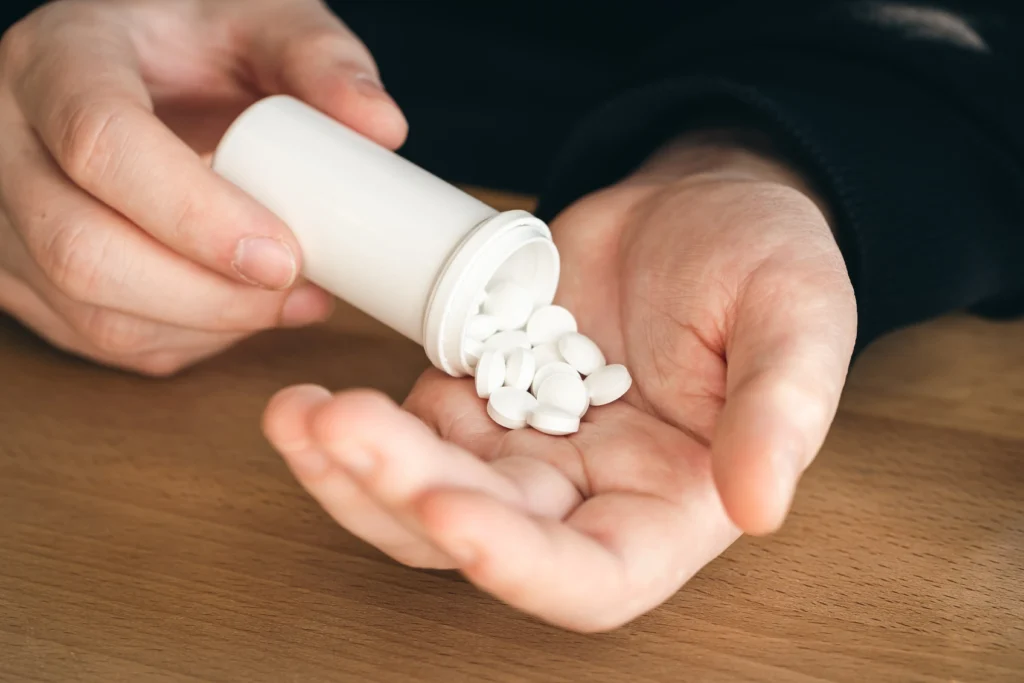
I had a patient last month, let’s call him Mik,e who was going through a bottle of antacids every week. Every. Single. Week. When I asked him why he didn’t come in sooner, he said, “Well, the antacids were working, so I figured I was fine.”
Here’s the reality check: if you need antacids daily, something’s up. Sure, occasional heartburn is normal. But when you’re relying on over-the-counter meds just to get through your day? That’s your body telling you there’s an underlying problem that needs actual treatment, not just symptom management.
PUD doesn’t go away because you’re masking the pain. In fact, you might be making things worse by delaying proper diagnosis and treatment.
3. Unexplained Weight Loss
This symptom tends to worry people, and frankly, it deserves your immediate attention. When you’re losing weight without changing your diet or exercise routine, something’s off.
With PUD, this often happens because eating becomes uncomfortable. You might start avoiding meals because you’ve subconsciously connected food with pain. Or maybe the nausea is so bad that you just don’t have an appetite anymore.
I’ve seen patients drop 10, 15, even 20 pounds over a few months without realizing why. If your pants are getting loose and you can’t explain it, please don’t wait. Get it checked out.
4. Nausea and Vomiting That Seems Random
Morning sickness when you’re definitely not pregnant? Feeling queasy after meals for no apparent reason? These could be signs of PUD affecting your digestive system.
What really worries us is when patients start vomiting blood or what looks like coffee grounds. I know that sounds gross, but I need to be real with you, that’s partially digested blood, and it’s a sign that your ulcer might be bleeding. This requires immediate emergency medical attention. Don’t wait.
Even without blood, persistent nausea isn’t something to ignore. Your gut’s trying to tell you something.
5. Dark, Tarry Stools
Okay, I know talking about poop isn’t dinner conversation, but as gastroenterologists, we literally talk about it all day. And for good reason, your stool can tell you a LOT about what’s happening inside.
If you notice your stools are suddenly black and tarry (we call them “melena” in medical speak), that’s often a sign of bleeding in your upper GI tract. When blood gets digested as it moves through your system, it turns dark and sticky.
This is a symptom that requires immediate attention; it can’t wait for a regular appointment. PUD can cause bleeding ulcers, and that’s not something you want to mess around with. I know it’s awkward to talk about, but trust me, we’ve seen it all. No judgment, just help.
6. Feeling Full Way Too Fast
Remember when you could actually finish a meal? If you’re finding that you feel stuffed after just a few bites, or you get this uncomfortable bloating that makes you want to unbutton your pants, PUD might be the culprit.
This happens because the inflammation and irritation from peptic ulcers can mess with how your stomach processes food. It’s like your stomach’s saying “nope, we’re done here” before you’ve barely started eating.
One of our patients described it perfectly: “It’s like my stomach shrank overnight.” If that sounds familiar, it’s time to get things checked out.
7. Chronic Fatigue That Won’t Budge
This one’s sneaky because who isn’t tired these days, right? Between work, family, and everything else life throws at us, exhaustion feels pretty standard.
But here’s the connection: if your PUD is causing slow, chronic bleeding, you can become anemic. That means your body isn’t getting enough oxygen-rich blood, leaving you constantly drained, weak, and foggy-headed.
If you’re sleeping enough but still feel like you’re running on empty, and you’ve got some of these other symptoms too, it’s worth investigating. Anemia from PUD is serious, but it’s also totally treatable once we know what we’re dealing with.
It’s Time to Take Your Gut Seriously
Look, I get it. Life’s busy. You’ve got a million things on your plate, and it’s easy to convince yourself that stomach pain is just stress or bad eating habits. And sometimes? It is.
But PUD is one of those conditions where early intervention makes a huge difference. We can treat it, help you feel better, and prevent complications. But none of that happens until you come in and let us help.
At GI Partners of Illinois, we’ve built our practice on taking care of people, real people with real lives, not just case numbers. We’ve heard every embarrassing symptom, seen every awkward situation, and genuinely want to help you get back to feeling like yourself again.
So if you’re reading this and thinking, “Hmm, that sounds like me,” please don’t wait. Don’t tough it out. Don’t assume it’ll get better on its own.
Your gut health matters. And honestly? You deserve to feel good.
Ready to Stop Ignoring Those Warning Signs?
When your gut’s telling you something’s wrong, waiting weeks isn’t an option. Call us or schedule online. Let’s figure this out together.